
Toddlers and children who become fussy eaters create worries and fears for parents. Unfortunately, these worries have a very real basis in reality. Yet the solution is not to live in fear just because you have a fussy eater on your hands.
Instead, it is important to understand the causes and the solutions to this threatening problem of the fussy eating child.
Why Fussy Eating Is A Real Problem
1. Fussy eating is really ‘preferential’ eating
In order to see the reality of your fussy eater, we first must see that you child has preferences. This is understandable.
But it would be a serious mistake to believe that your should honor your child’s preferences when it comes to healthy choices. Most children choose what is easy, what is sweet and what requires the least effort.
This is often where we get off course, because we let our fears about our children lead us to prepare foods according to their preferences. This is a dangerous situation because…
2. Fussy eaters generally prefer simple carbohydrates (sweeter flavor) and fatty foods.
Today’s children eat more simple carbohydrates than any group of children in history. What are these simple carbohydrates and why are they so bad for your fussy eater?
Many of the simple carbohydrates are natural, complex foods that have been processed into simple forms, such as turning wheat into flour. This also happens when we squeeze the juice out of fruit, and add sugar.
This means that bread, bagels, pizza, donuts, cookies, pasta, cereal, oatmeal, fruit juices, soda, and ice cream are full of simple carbs. Thus most of the preferred foods of the fussy eater have tons of simple carbs in them.
This is not good for your child for a number of complex reasons. But the bottom line is that these foods create a sugar reaction in your child’s body, that ‘trains’ their body to over-react to these types of foods. Because of this over-reaction, their bodies crave these foods more and more.
3. These simple carbohydrate preferences, often found with fussy eaters, increases the risk of childhood obesity.
The craving for more and more simple carbohydrates leads to weight gains in many children. Thus, while putting on pounds, their diet remains very limited and their nutution is poor.
The number of children who are obese doubled in the United States in less than a 15 year period, and much of this is due to feeding into child preferences. But it gets worse if you allow your child to go down this path.
Their chances of ever being able to live a healthy, vibrant and energetic life is very slim. The wide majority of children who are obese in childhood remain obese throughout their adult years.
But it gets worse because…
4. Simple carbohydrate eating increases the risk of diabetes.
Because fussy eating preferences often lead to eating these highly processed, somewhat sweeter foods (simple carbohydrates), your child’s body chemistry is altered by these choices over time. Their bodies react strongly to these foods, and some children are more affected than others.
However, if I suggested to you that the foods you are serving your children are poisonous, but only to 50% of the children who them---would you serve it to your children? I suspect not.
What Is The Solution To Stop Fussy Eating?
The answer is in learning to manage your child’s preferences, so that they learn to eat what’s healthy---not what’s sweet and fattening. If you start early, then this is easier to conquer. The longer you wait, the more difficult change becomes.
And often the answer is not just in learning to prepare different foods. The answer is in learning to have a clear parenting strategy to deal with the drama, the tears, the tantrums and the arguments that occur when you start putting only healthy food on the table.
Without a clear game plan, it is likely that your changes may be short-lived. Consider seeking expert guidance to learn a system that walks you through the changes that will make a difference …and get your fussy eater on the healthy eating path quickly!
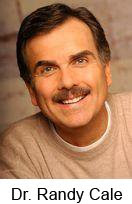
To learn more on how to deal with your fussy eater visit Cure Your Picky Eater by Dr. Cale.

No comments:
Post a Comment